


Wall Street Pepe is a meme cryptocurrency known by the ticker WEPE. It combines Pepe-inspired branding with a community-focused trading theme. U.S. buyers should focus on current market data, contract verification, liquidity, and token risks before considering it.
Direct answer: WEPE is a meme token available on Ethereum and Solana. Its presale has ended, and the token now trades on secondary markets. Current data shows a small market capitalization and a price far below its earlier peak, making volatility, liquidity, and contract verification especially important for U.S. buyers.
Wall Street Pepe at a Glance
| Key fact | Current information |
|---|---|
| Token ticker | WEPE |
| Category | Meme cryptocurrency |
| Networks | Ethereum and Solana |
| Maximum supply | 200 billion WEPE |
| Market cap (per CoinMarketCap and CoinGecko in 2026, changes constantly) | Reported at roughly $1.1 million |
| Price | Check a live feed; recent aggregator figures were a tiny fraction of a cent |
| Presale status | Reported as finished (CoinCodex dates it to late 2024 to February 2025) |
| Ethereum contract | Verify through official sources before trading |
| Primary risks | Volatility, low liquidity, scams, contract mistakes |
In 2026, CoinMarketCap reported a market capitalization near $1.15 million. CoinGecko showed a similar figure near $1.12 million. Their circulating-supply figures differ slightly, so investors should compare several feeds before making decisions.
Key Takeaways
- WEPE is already trading, so older presale instructions may be outdated.
- The project operates across Ethereum and Solana.
- The maximum combined supply is listed as 200 billion tokens.
- Market capitalization remains small compared with major cryptocurrencies.
- The token trades far below its earlier recorded peak.
- Buyers should verify network and contract details before every transaction.
- Promotional community claims should not be treated as guaranteed investment results.
- U.S. users should consider taxes, platform availability, security, and liquidity.
What IsWall Street Pepe?
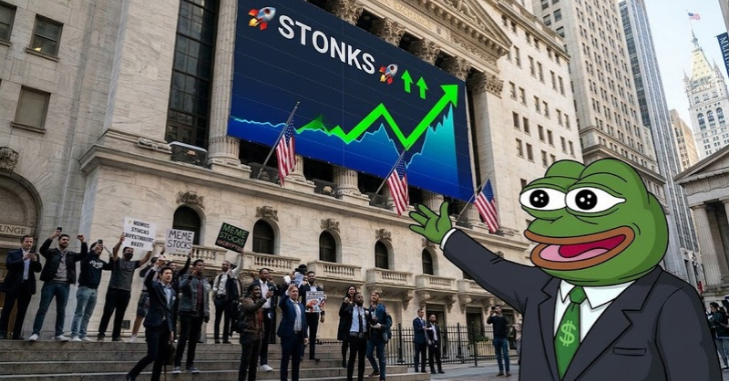
Wall Street Pepe is a meme-focused cryptocurrency built around a retail-trader community theme. The project promotes token-gated trading discussion, community activities, and meme-driven participation. That positioning makes it different from a blockchain created primarily for payments or infrastructure.
The official project materials describe both Ethereum and Solana versions. They also describe a bridge designed for transfers between the two networks. The stated maximum supply across both networks is 200 billion tokens.
The project also promotes an Alpha Chat community for holders. Its website makes strong claims about past community trading results. Those statements are promotional claims and should not be treated as independently verified performance records.
WEPE Price, Market Cap, and Supply in 2026
Crypto prices change continuously, so a fixed number becomes stale quickly. Recent CoinMarketCap data placed WEPE near $0.00000574 with roughly $1.15 million in market capitalization. CoinGecko reported a similar price near $0.00000573 and a market cap around $1.12 million.
Both services list a maximum supply of 200 billion tokens. Their circulating-supply figures currently differ, with CoinMarketCap showing 200 billion and CoinGecko reporting slightly less. Such differences can result from provider methodology or timing.
The historical performance also deserves attention. CoinGecko places the token roughly 98% below its recorded all-time high. That drawdown demonstrates how quickly meme-token valuations can change after periods of high attention.
Why Different Websites May Show Different Numbers
Price aggregators collect information from exchanges and liquidity pools independently. They can use different circulating-supply assumptions and market sources. Small or thinly traded tokens can therefore show wider differences than major cryptocurrencies.
Trading volume deserves the same caution. A quoted market price does not guarantee a large order can execute near that price. Slippage can become meaningful when available liquidity is limited.
This distinction is especially useful for U.S. traders evaluating small tokens. Coinswey’s crypto trading strategies guide explains why position sizing and liquidity belong in a risk plan. Traders should define those limits before opening speculative positions.
Ethereum and Solana Versions Explained
The project originally gained attention through its Ethereum token. It later expanded to Solana and introduced a cross-chain structure. The official website states that a Solana liquidity pool launched on October 14, 2025.
Project materials describe a Wormhole-based bridge between Ethereum and Solana. Holders can use that infrastructure to move supported tokens between networks. Users should confirm current bridge instructions before connecting a wallet.
Network selection matters because Ethereum and Solana use different addresses and transaction systems. Sending an asset through an unsupported route can cause problems or permanent loss. Always confirm the selected network before approving a transfer.
Where Can U.S. Users Trade WEPE?
CoinGecko currently lists markets including Uniswap V3 on Ethereum and KCEX. Market availability can change, and an exchange listed globally may restrict particular U.S. customers. Buyers should confirm their platform’s current U.S. eligibility before depositing funds.
Decentralized exchanges have a different workflow from centralized platforms. Users normally connect a compatible self-custody wallet and swap against an available liquidity pool. That process puts more responsibility on the wallet owner.
Contract verification becomes critical during these swaps. Copy the contract from a trusted project or blockchain source rather than a social-media reply. Lookalike tokens can use nearly identical names and symbols.
Coinswey’s seed phrase safety guide is also relevant before using self-custody. Recovery credentials can provide control over the wallet’s derived accounts. Never enter those words into a token website or unexpected support form.
Is WEPE Safe or Legit?
“Safe” has several meanings in cryptocurrency. A real token contract does not guarantee stable prices, strong liquidity, profitable trading, or protection from scams. Investors need to separate technical existence from investment quality.
The token appears on public trackers and has on-chain activity that anyone can inspect. CoinMarketCap and CoinGecko both track the token and provide market information. Those listings establish visibility, not quality, and they are not an investment endorsement. Tracker pages do not audit a project or check its team.
Meme tokens can experience sharp movements driven by sentiment and liquidity. WEPE’s large decline from its historical high illustrates that risk. Anyone buying should be prepared for substantial losses, including the possibility of losing most invested capital.
Wallet security creates another layer of exposure. Fake websites, fraudulent support accounts, copied contracts, and malicious approval requests can target token holders. Coinswey’s cryptography news coverage provides useful context on broader security developments affecting digital-asset users.
Red Flags to Check With Any Meme-Coin Presale
A presale sells tokens before they trade publicly, usually at a fixed early price and often through a project website rather than an exchange. Buyers send crypto to a sale contract and receive tokens later, sometimes only after an unlock or claim step. Because the buyer relies on the team to deliver, the details below matter more than the marketing.
- Anonymous or unverifiable team. If no one can be identified and checked, there is no one to hold accountable.
- Paid coverage that looks like news. Many articles about meme-coin presales are sponsored posts or syndicated press releases. Treat raise totals, “100x” talk, staking yields, listing dates, and price targets in them as unverified promotion, and note the date and source of any claim.
- Token unlocks and vesting. Check how many tokens the team and early buyers can sell and when. Large unlocks can pressure the price.
- Liquidity. See whether liquidity is locked, how deep the pool is, and who controls it.
- Audits. An audit report from a named firm, linked from the official site, is a better sign than a badge image. Even a real audit does not remove market risk.
- Contract permissions. A blockchain explorer can show whether a contract can mint new tokens, pause trading, or change fees.
How to Verify the WEPE Contract Address
Scammers copy token names and symbols, so the address is the only reliable identifier. Start from the project’s official website, then confirm the same address on a recognized blockchain explorer and on CoinGecko or CoinMarketCap. Make sure the address for the right network (Ethereum or Solana) matches in every place. Never trust an address posted in a reply, direct message, or advertisement.
Five Checks Before Buying
Use a repeatable process instead of relying on social-media excitement. These checks cannot eliminate risk, but they can reduce avoidable mistakes. They are particularly important for small-cap meme assets.
- Confirm the network. Decide whether you need the Ethereum or Solana version before sending funds.
- Verify the contract. Compare the address across the official website and a recognized blockchain explorer.
- Check current liquidity. Review trading volume and available pool depth before planning a meaningful order.
- Review wallet security. Keep recovery credentials private and verify every connection request.
- Set a loss limit. Decide how much speculative capital you can afford to lose before buying.
The final check matters because price predictions cannot remove downside risk. Small-cap cryptocurrencies may move much faster than Bitcoin or Ether. A disciplined allocation can limit the damage from an unexpected decline.
How WEPE Compares With Large Cryptocurrencies
| Factor | WEPE | Large-cap crypto assets |
|---|---|---|
| Market size | Small | Usually much larger |
| Price volatility | Potentially extreme | Still volatile, usually deeper markets |
| Liquidity | Can be limited | Generally deeper |
| Main narrative | Meme and trading community | Varies by network or asset |
| Contract-verification risk | Important | Depends on asset and platform |
| Speculative risk | High | Varies considerably |
This comparison does not mean large cryptocurrencies are safe investments. Bitcoin, Ether, and other established assets can also suffer major losses. The difference is mainly market depth, history, infrastructure, and trading activity.
For a small token, liquidity deserves extra attention. A position may look profitable using the quoted price but become harder to exit at scale. Reviewing order depth before trading can reveal that risk earlier.
Is the Old Presale Still Active?
No, the original token sale is no longer an active presale. Historical tracking from CoinCodex places the sale between late 2024 and February 2025. Current users are dealing with a token that already trades on secondary markets.
That distinction matters because old reviews may still contain presale prices or staking information. Search results can preserve outdated promotional pages long after an offering ends. Always check the publication date before following purchase instructions.
Current market prices should also be compared with live sources. A presale price does not represent today’s fair value or guarantee future recovery. Historical fundraising success cannot promise later market performance.
What U.S. Buyers Should Watch Next
Market liquidity is the first useful signal to monitor. Consistent trading activity can make entry and exit prices easier to assess. Falling volume can increase spreads and slippage.
Project development is another factor. Users can watch bridge availability, supported exchanges, community updates, and any changes to token mechanics. Claims should be checked against blockchain records or independent market data whenever possible.
Security remains equally important. Wallet phishing and fake token contracts can cause losses regardless of price performance. U.S. users should keep their software current and avoid unexpected wallet prompts.
The Bottom Line for U.S. Readers
WEPE is an established trading token rather than an active presale opportunity. It operates across two major blockchain networks and maintains visible market listings. Its small market capitalization and steep historical drawdown still demand caution.
Use current data instead of old promotional material. Verify the contract, network, liquidity, wallet connection, and exchange eligibility before acting. Treat community claims as marketing unless independent evidence supports them.
For readers researching speculative crypto assets, risk management should come before price forecasts. Coinswey’s trading and wallet-security guides provide useful next steps. Never risk money that would create financial hardship if lost.
Frequently Asked Questions
Is Wall Street Pepe still in presale?
No, the original presale ended in February 2025. WEPE now trades through secondary cryptocurrency markets. Buyers should rely on current market data rather than old presale pricing.
What is the WEPE token price?
The price changes continuously throughout the day. Recent major aggregators placed it around $0.0000057 to $0.0000059. Check a live market source immediately before making a decision.
What is the maximum WEPE supply?
The project lists a maximum combined supply of 200 billion tokens. Major price aggregators also report that maximum figure. Circulating-supply estimates can differ between data providers.
Is WEPE on Ethereum or Solana?
It operates across both Ethereum and Solana. The project provides infrastructure for moving supported tokens between those networks. Users should verify network details before every transfer.
Can U.S. residents buy WEPE?
Potential access depends on the trading platform and its current U.S. restrictions. Decentralized markets may also require a compatible wallet and supported network. Users should confirm local eligibility and platform terms before trading.
Is WEPE a good investment?
No source can reliably guarantee future returns from a meme token. Its small market size and historical drawdown indicate substantial speculative risk. Buyers should evaluate liquidity, security, and potential loss before committing funds.