


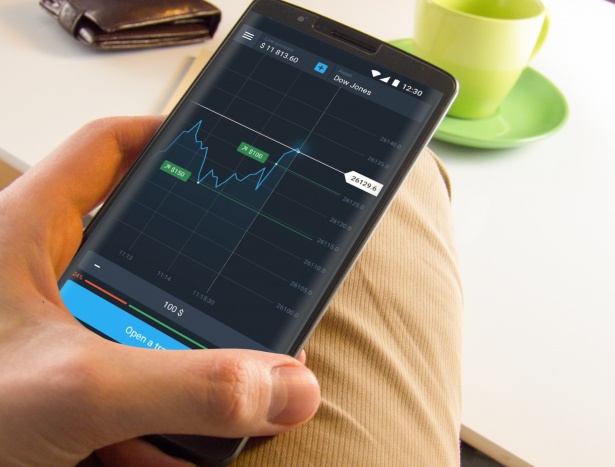
Despite the hype, becoming a successful online forex trader is achievable by following specific, proven steps. Key actions include developing a robust trading strategy, setting up or choosing a reliable forex brokerage, effectively managing your trading account, and continuously enhancing your trading expertise. Learning the fundamentals of online forex trading is essential, but remember, this is just the beginning. As your skills advance, your investment approach should evolve accordingly to maximize profits and manage risks.
Trade Currency Pairs
As a trade forex, you have the flexibility to select specific currency pairs to focus on. Beginners are often advised to start trading pairs with the highest liquidity and tighter spreads to minimize costs. Trading during peak market hours, like the London and New York sessions, can offer increased volatility and better opportunities. You can enter the forex market manually or leverage automated trading platforms that provide real-time pricing and execution features, which can be especially helpful if you’re new to forex trading. These platforms typically have user-friendly interfaces designed to simplify the process.
The forex market is vast and complex, so new traders often begin by trading their home currency against major currencies to build familiarity. From there, you can craft a customized strategy and define your preferred trading timeframes. Currency pairs are labeled using their three-letter ISO codes, simplifying research into exchange rates and market behavior. For beginners or part-time traders, the USD/EUR pair is highly recommended due to its popularity, accessibility, and abundant market information available.
Develop a Trading Strategy
Building a personalized trading system is essential to succeed as a forex trader. Your strategy should clearly define when to enter and exit trades and when to avoid trading altogether. Avoid following the crowd blindly or relying solely on basic indicators like support and resistance. Instead, study multiple successful traders, blend their strategies, and adapt them to fit your unique style and risk tolerance.
Begin by setting clear, realistic goals. A well-defined strategy should be flexible enough to work across different currency pairs and market conditions. Keep a detailed trading journal to log your decisions and outcomes, enabling continuous improvement. Consider seeking mentorship or training from experienced forex traders to accelerate your learning curve. Additionally, acquiring knowledge in finance and global economies can enhance your analytical skills and trading profitability.
Start a Forex Brokerage
Launching your own forex brokerage requires comprehensive planning and compliance preparation. Develop a detailed business plan outlining your target markets, buyer personas, projected revenue, marketing strategies, and operational procedures. Secure office space and assemble a competent team including sales agents, compliance experts, support staff, human resources personnel, and affiliate managers. Additionally, investigate the capital requirements mandated by your jurisdiction, as starting a brokerage typically demands substantial upfront capital to cover at least six to twelve months of operating expenses.
Starting a forex brokerage today is more accessible with the support of platform providers who can assist in regulatory formalities, technology infrastructure, and client acquisition. Collaborating with such providers or forming partnerships can significantly reduce startup complexity. However, thoroughly assess your business’s cost structure, anticipated capital needs, and potential technical challenges to ensure sustainable growth.
Manage a Trading Account
If you want to be an effective online forex trader, managing your trading account wisely is crucial. You can open a personal managed account through a trusted broker if you prefer to have professional support, especially useful if you are unsure about your trading skills. While managed accounts offer expert oversight, always evaluate fees, risks, and whether the broker’s approach aligns with your investment goals before committing.
Forex accounts come in various types designed to suit different levels of capital and trading experience. Mini accounts allow lower minimum deposits and are ideal for beginners, whereas standard accounts accommodate larger investments and more aggressive trading styles. Note that some brokers reserve advanced trading tools and account features for professional clients. Thoroughly research available account options to find one that matches your needs and risk tolerance.
Develop a Trading Website
While establishing your own trading website can boost your forex business, it is a complex endeavor best suited for experienced professionals with deep retail forex industry knowledge. When planning a forex trading website, consider essential factors such as user experience, real-time data integration, security measures, and regulatory compliance. A professional website allows you to test trading strategies with historical data, develop custom indicators and scripts, and implement automated trading tools.
A robust trading website attracts and educates potential clients, helping them make informed decisions about trading with you. However, building and maintaining such a site requires a significant investment of time, technical expertise, and capital. Partnering with specialist developers or white-label solution providers can streamline this process and ensure a polished final product.
Build a Trading System
Before building your own trading system, it’s crucial to understand the forex market dynamics, define your trading objectives, and develop a risk management plan. A well-constructed system enables you to methodically evaluate each trade opportunity and make decisions grounded in your strategy’s rules.
Automated trading programs monitor live currency prices and execute market orders when predefined criteria are met. These systems can identify profitable spreads and manage stop-loss and take-profit levels automatically, thus improving trading efficiency and discipline. However, these tools are not foolproof. Always verify trade execution parameters and remain vigilant to avoid losses from technical errors or unexpected market moves.
Frequently Asked Questions (FAQs)
Beginners should start with major currency pairs such as EUR/USD, USD/JPY, or GBP/USD due to their high liquidity and reduced volatility, making them easier to analyze and trade.
Focus on studying the market, testing different approaches, setting clear goals, maintaining a trading journal, and continually refining your method based on performance and market conditions.
No, automated tools can enhance efficiency and execution, but many successful traders also trade manually. Choose the approach that aligns with your skills and preferences.
Capital requirements vary by jurisdiction but generally include sufficient funds to cover regulatory capital, operational costs, and liquidity requirements for at least six to twelve months.
If you have sufficient knowledge and confidence, managing your own account is possible. Beginners may benefit from professional management to reduce risk, but always research and verify the credentials of any manager.
Continuous learning is essential due to the ever-changing nature of forex markets. Staying updated on economic news, market trends, and new trading strategies improves your chances of long-term success.